‘Foster mum’s the reason I’m off to top university’
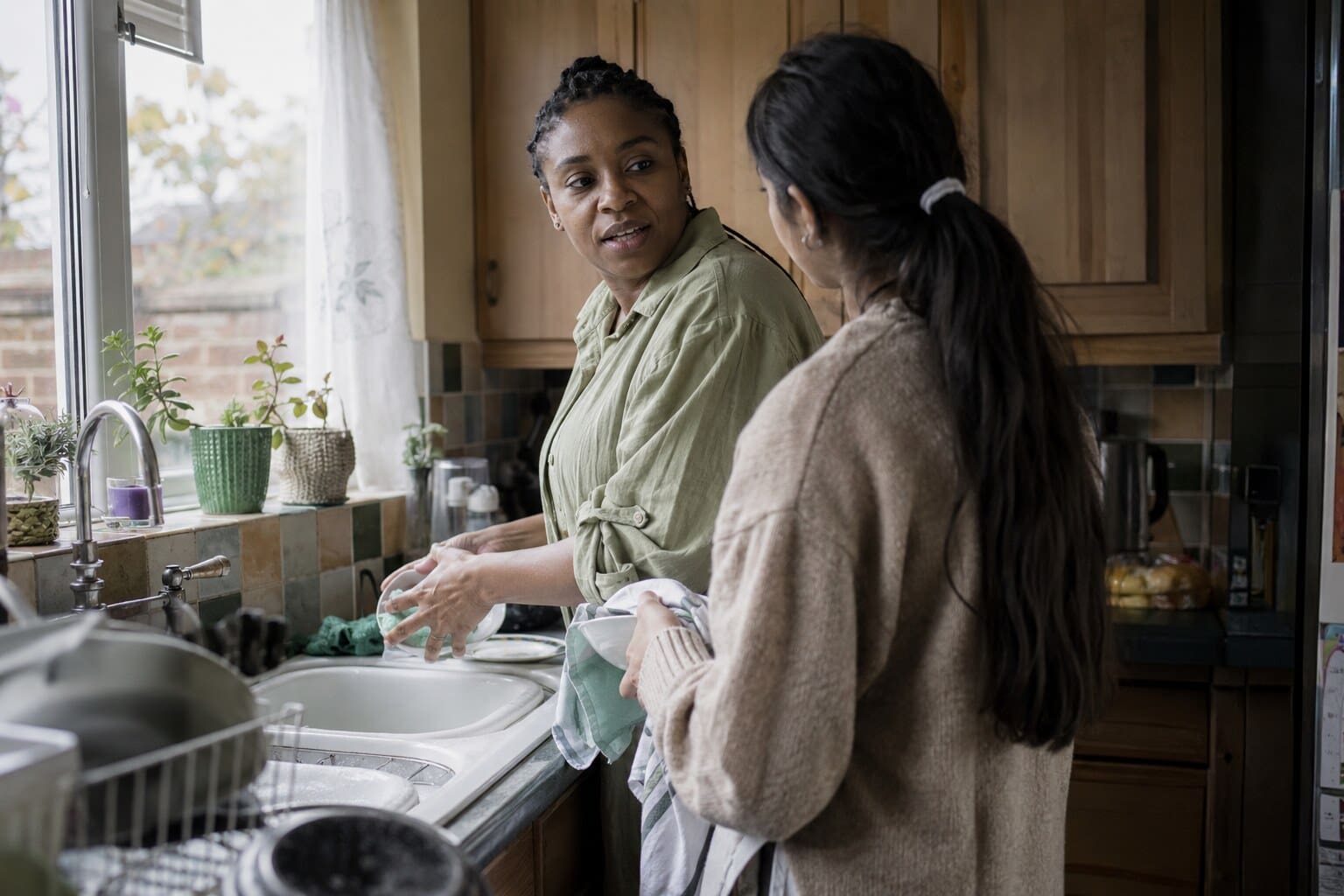
Article taken from BBC News website A medical student who grew up in care says she could not have secured her place at a top university without the support of her foster

Article taken from BBC News website A medical student who grew up in care says she could not have secured her place at a top university without the support of her foster

Most young people in foster care are still living with their carers three months after turning 18. Here is how a Staying Put arrangement works, what changes on the day, what you are paid, and how to decide.

In a parent and child placement, a parent and their child both move in with you, usually for around twelve weeks, while social workers assess whether the parent can care for their child alone. Here is what the role involves, what you record, and what it pays.

Respite fostering means looking after a child for a weekend, a week or the odd night while their usual carers take a planned break. Here is what it involves, what it pays, how the tax works, and why it suits people who cannot give up a full-time job.

Most people enquiring about fostering are picturing a toddler, but more than a quarter of children in care in England are sixteen or older. Here is what looking after a child aged 8 and over really involves, from school and pay to the support you get.

You do not need to own your home to foster. Here is what renting actually means in practice: landlord permission, the spare bedroom rules, the extra bedroom allowed for Universal Credit and Housing Benefit, and what the safety check looks for in a flat.