What Does It Mean to Foster a Child With a Learning Disability?
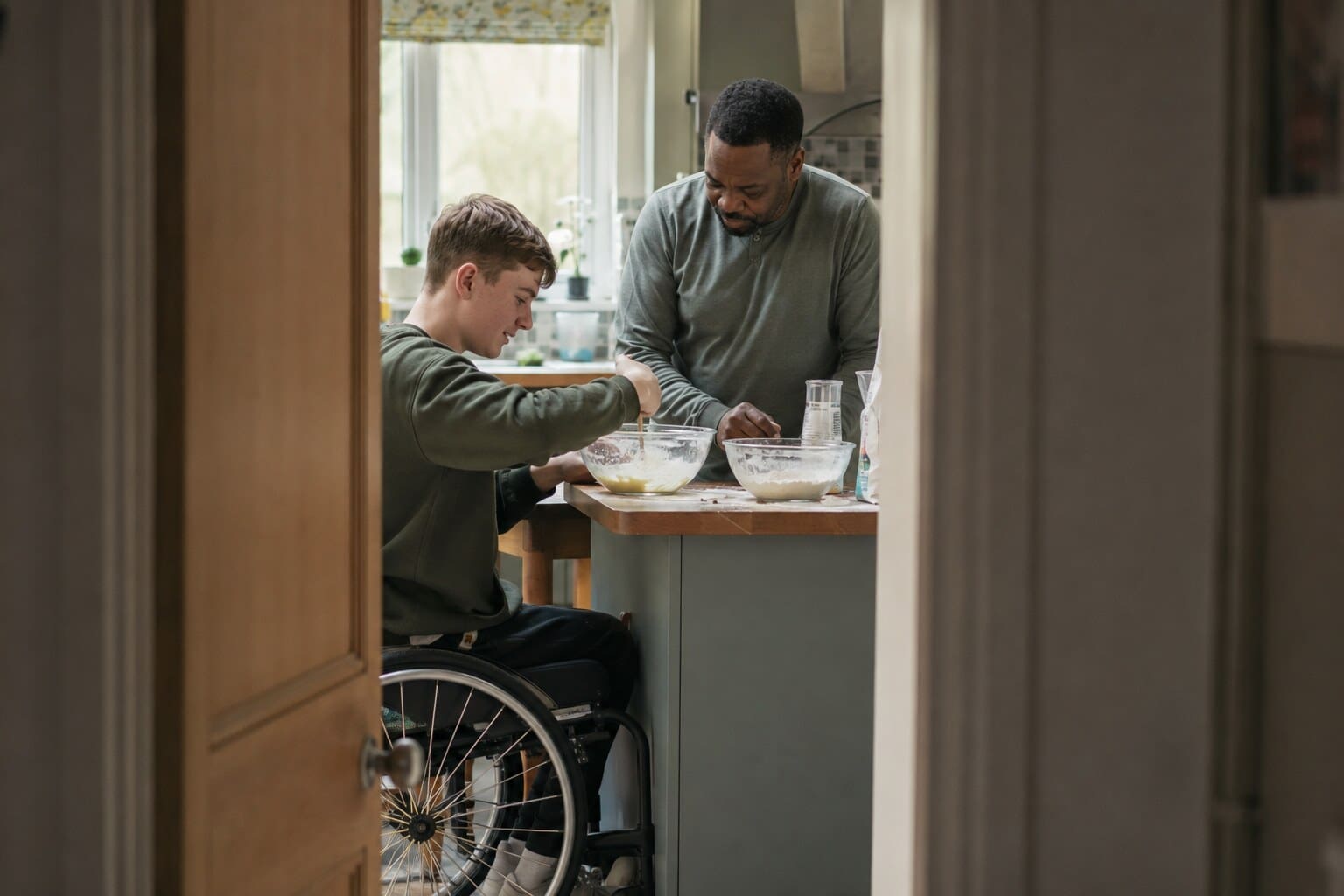
A learning disability changes how a child learns, understands the world, and manages everyday life. It does not go away. With the right support around them, though, it becomes something you barely think about most days.
Fostering a child who has one is not a specialist job. It is fostering, with a bit more patience built in.
Please note: this article covers Disability Living Allowance, Personal Independence Payment and the Education, Health and Care plan process in England. This is general information, not personal advice, and depends on the child’s own assessment and local authority. Figures and rules are correct as of September 2026. See gov.uk on EHC plans and gov.uk on Disability Living Allowance for the current position, or ask your supervising social worker.
What Is a Learning Disability?
It affects how someone learns new things, takes in information, and manages day to day tasks such as getting dressed, following a recipe, or working out how much change they are owed. It is there from early childhood and lasts for life, though the right support changes what that means in practice. It is a different thing from a condition like FASD, though the two sometimes overlap, and either can bring a child into your home.
Some children need a little extra time and a simpler explanation. Others need help with almost everything: washing, eating, moving safely from room to room.
Most children who come into foster care with a learning disability sit somewhere in between. They go to school. They have friends, or want them. They just get there by a different route.
What Might You Notice?
- A baby who takes longer to sit up, roll over, or start feeding well.
- A toddler who is not stringing words together by two, or who struggles to work out how to put on their own shoes.
- A five or six year old who cannot yet tell you what day of the week it is, or gets muddled by two-step instructions like “put your shoes on, then get your coat.”
- A child at primary school whose spelling of the same word changes from Monday to Friday, or who cannot picture what “after lunch” means.
None of this means a child has a learning disability on its own. It means it is worth a conversation with their GP and your supervising social worker. An earlier diagnosis tends to mean earlier help, and earlier help tends to work better.
What Support Can a Child Get?
In England, a child who needs extra help at school can be assessed for an Education, Health and Care plan, usually just called an EHC plan. It sets out exactly what a child is entitled to: what kind of school place suits them, and what extra help, like speech and language therapy, comes with it.
There is a legal timescale attached. A local authority has 16 weeks to decide whether to go ahead with an assessment, and 20 weeks in total to issue the final plan. In practice, waits can run longer than that. Keep a note of every meeting and every date you are given: it is the single most useful thing you can do while a plan is being worked out.
There can be money attached too. Disability Living Allowance is available for children under 16, worth between £30.30 and £114.60 a week depending on how much care and mobility support a child needs, at April 2026 rates. Most children move onto Personal Independence Payment at 16 instead. None of this is automatic. Ask your supervising social worker for a benefits check specific to the child in your home, because the rules depend on the local authority and the child’s own circumstances.
Keeping Them Safe From Bullying
Children with a learning disability are more likely to be bullied than their classmates.
It can show up as a change in mood, a sudden reluctance to go to school, or bruises with no easy explanation.
Open questions tend to get further than direct ones. “Tell me about break time” gets more out of a child than “Is anyone being mean to you?”
If a school is not taking a concern seriously, put it in writing and follow their anti-bullying policy. If that still gets nowhere, your supervising social worker can help you take it to the local authority.
What Does Support Look Like Day to Day?
Some children communicate better with signs than words. Makaton, a system of signs and symbols used alongside speech, turns up in a lot of nurseries and primary schools, so it is worth learning the basics even if a child talks well.
Small choices matter more than they look. Picking a cereal bowl, or choosing between two t-shirts laid out on the bed, is not a small thing to a child who rarely gets asked. It is practice at having a say, which they will need a lot more of as they get older. Our own approach to supporting neurodiversity leans on the same idea: notice how a child takes in the world, and work with that rather than against it.
An occupational therapist might suggest something as ordinary as a two-handled cup, or a picture timetable stuck to the fridge so the shape of the day is clear before it starts. Once someone has assessed what is needed, these things are usually straightforward to get.
You Will Not Be Doing This On Your Own
Every Fostering Hearts foster carer has a supervising social worker who supports around six families, not sixty. Our lead education consultant tracks how children in our care are getting on at school and steps in when an EHC plan is moving too slowly. Independence workshops cover practical skills for young people getting ready to leave school and move towards adult life.
If a child in your home needs equipment, therapy, or a particular kind of school place, you are asking with an agency behind you. It is the same principle behind why a child is never just their behaviour: look past what you see first, and ask what is actually going on.
You do not need a background in education or health to do this well. You need to notice something is not right, and keep asking until someone answers.
You do not need to decide today. A phone call costs nothing.
Or read more about the support you get as a foster carer.
Frequently asked questions
Do You Need a Background in Special Education to Foster a Child With a Learning Disability?
No. Your supervising social worker and Fostering Hearts’ education team handle the specialist side. What you bring is patience and a willingness to learn what works for this particular child.
Will a Child With a Learning Disability Go to a Mainstream School?
Often, yes, with extra support in place through an EHC plan. Some children do better at a specialist school. Which one is right depends on the child, and is worked out with the school and the local authority, not decided in advance.
What If a Diagnosis Takes a Long Time to Come Through?
It can, unfortunately. In the meantime, a school can still put support in place informally, and your supervising social worker can help push a stalled assessment along.
Do Foster Carers Get Extra Pay for a Child With a Learning Disability?
Often, yes. A child with a higher level of need usually brings an extra weekly payment on top of the standard fostering allowance. The amount is agreed with your supervising social worker and depends on the child’s needs.
Where Can You Get More Advice?
Mencap’s Learning Disability Helpline is 0808 808 1111, Monday to Friday, 9am to 3pm. Contact, a charity for families with disabled children, is on 0808 808 3555.


