

Safer Caring: What House Rules Look Like in a Foster Home
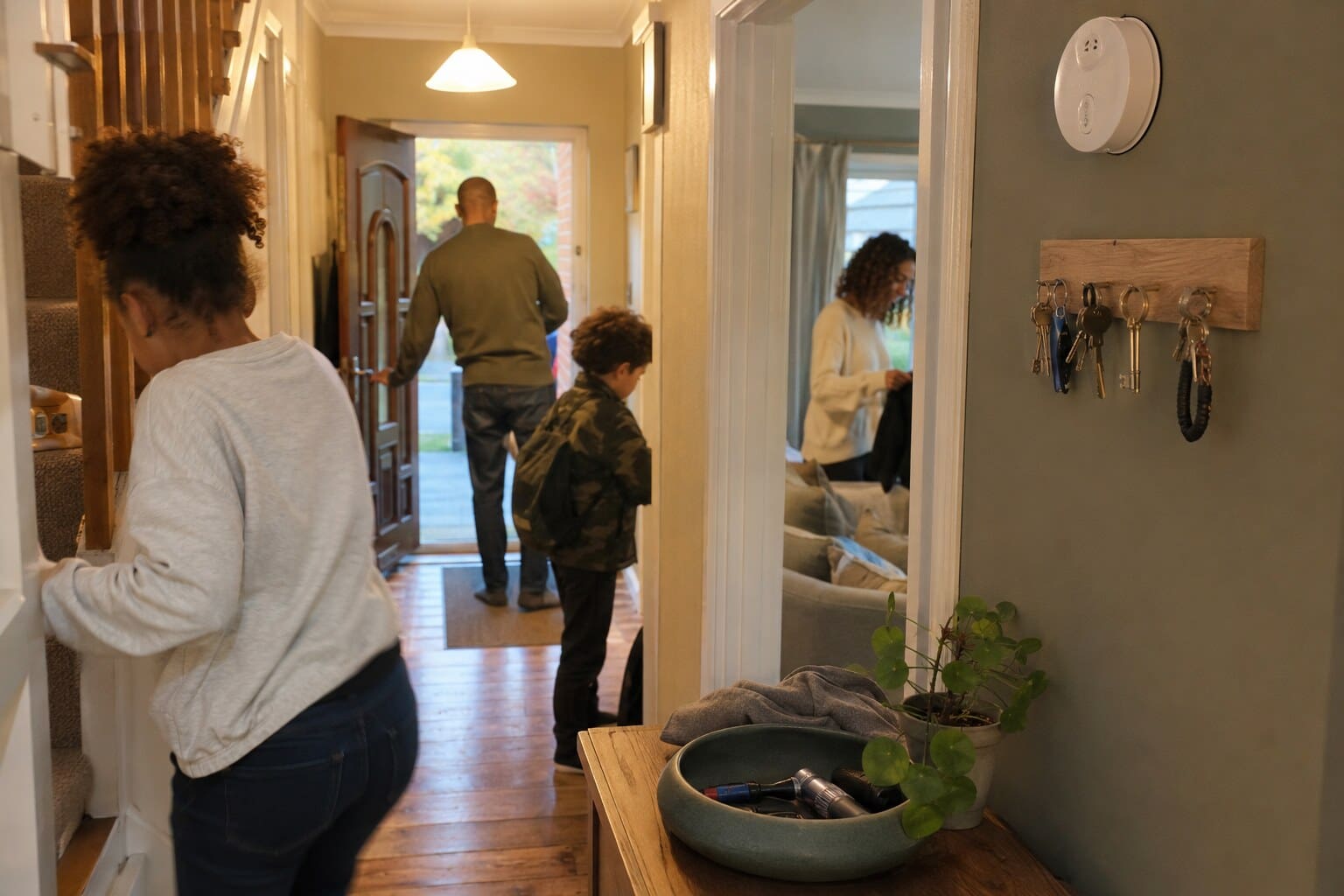
Most first calls are about the child. Somewhere around the second call, the other question comes out: what will fostering do to my house? Safer caring is the answer, and it asks less of you than people expect.
Please note: This is general information about safer caring practice in England, correct at August 2026. It is not advice about your household. Your own plan gets written with your supervising social worker, and anything specific to a child sits with that child’s social worker. The standards fostering services in England work to are the Fostering Services: National Minimum Standards.
What is safer caring?
A written plan for how your household runs.
Not a rulebook handed to you by an agency. A document about your own home that you help write, covering what keeps a child safe and what keeps you and your family safe at the same time.
Standard 4.6 of the fostering National Minimum Standards says foster carers are “trained in appropriate safer-care practice, including skills to care for children who have been abused”. The plan is where that training meets your actual hallway and bathroom.
Will I have to change how my family lives?
A bit. Less than you fear.
Most of what ends up in a safer caring plan is what a thoughtful household already does without writing it down. Underwear on when you cross the landing. Seatbelts on before the car moves off.
What changes is that you say it out loud, agree it with everyone who lives there, and put a date on it.
What actually goes in a safer caring plan?
Ordinary, specific things. Ours cover:
- everyday routines and house rules, from the school-morning order of the bathroom to no swearing in the kitchen
- what each person in the house wants to be called
- nightwear, and what counts as dressed for walking about the house
- the bathroom: whether there is a lock, and what everyone does when someone is in there
- affection: does this child want a hug at bedtime, a fist bump at the door, or nothing yet
- bedrooms: whose room anyone may go into, and whether stories are read downstairs instead
- the car: who sits where, and whether your insurance covers a child you foster
- phones and photographs, including what gets posted online and who has to agree to it first
- screens in shared rooms, with filters set up and a separate login for the child
- out and about: what you do if you lose sight of a child, and how you introduce yourself if you meet one of their friends or relatives
- fire: the way out, how often you practise it, and what the alarm sounds like to a child who has never heard it in your house
Sometimes there is a line in the plan that exists for one child only. If a child has previously made an allegation against a man, the plan might say that the male carer in the house does not go into that child’s bedroom on his own. It looks blunt written down. It is kinder than the alternative, which is everyone guessing.
Can I still hug a foster child?
Yes.
Children who have been hurt need warmth more than most, not less of it. Safer caring asks you to find out what this child is actually comfortable with rather than assume. Some want a hug at bedtime from the first week. Some want a special handshake and nothing more for months.
So ask. Write down the answer. Ask again later, because the answer moves.
What about my own children?
They help write it.
Everyone who lives there has a hand in the plan, your own children included, and it gets signed and dated by the people it applies to. That matters for two reasons. Your own children are far more likely to keep to rules they helped set. And the plan protects them too, because bullying between children in a household is one of the things safer caring is designed to prevent.
It gets reviewed as things change, and again if something happens that means it should say something different.
Does safer caring protect me as well?
Yes, and this is the part some agencies skate over.
Allegations do happen in fostering. Living through one is bruising, even when it goes nowhere. A plan that already records where bedtime stories are read and who does bath time gives you something factual to point at instead of a memory and a hope.
Your daily records do the same job. Keeping them up to date feels like admin on a Tuesday night. It stops feeling like admin the first time you need one. We write about this honestly in foster carer challenges: allegations, because pretending it never happens would not help anyone.
If a child tells you something has been done to them, your job is to listen without steering them, then pass it straight to your supervising social worker. What happens next is decided by our designated safeguarding lead and the local authority, not by you and not on your own.
What can I decide by myself?
More than new carers assume, and this is worth asking about early.
Foster carers do not hold parental responsibility. The Fostering Network puts it clearly: carers “can only make decisions about them where that authority has been delegated to them”. That delegation is written into the child’s placement plan, and it is what stops you phoning a social worker to ask about a haircut.
Standard 7.3 expects carers to “have clarity about decisions they can make about the day to day arrangements for the child”. Standard 7.4 goes further, saying carers should be supported to make reasonable decisions “without having to seek consent unnecessarily”. In practice that usually covers things like signing a school trip form, agreeing a sleepover at a friend’s house, or booking a haircut.
If it is unclear who decides what, that is a question for your supervising social worker rather than something to work out at the school gate.
Where does the plan come from?
You, mostly.
A social worker will bring the framework and the awkward questions. You bring your house: the stairs that creak, the dog that sleeps on the landing, the teenager who showers at seven. That local knowledge is the useful part, and nobody else has it.
If you want to see how safer caring fits into the wider picture before you enquire, our page on what fostering is is a good place to start, and the assessment process explains where these conversations happen. Online rules get their own attention in online safety.
You will not be doing this on your own
Safer caring is one of the first things we work on with you, and one of the things we keep coming back to.
Our supervising social workers support around six families each, which is why yours will know your house well enough to help you write about it. Children living with our carers get a pocket-sized card with the contact details they need to raise a worry with someone outside the household. Our Youth Council has written questions that get asked at fostering panel, so the young people we look after have shaped what we expect of ourselves.
Ofsted inspected us in November 2024 and judged us good overall, with outstanding leadership and management. One carer told inspectors: “My supervising social worker has been an absolute lifeline for me. I feel so much more confident in my role because of her.”
You do not need to have the answers to any of this before you call. Working them out is the job we do with you.
If you have questions about what fostering would mean for your household, we are happy to talk them through. You don’t need to decide today.
Or read more about the support you get as a foster carer.
Frequently asked questions
Does every foster carer need a safer caring plan?
Every Fostering Hearts household has one. You write it with your supervising social worker, and it gets reviewed as your household and the children living in it change.
Do safer caring rules apply to my own children too?
Some of them, yes. Rules about nightwear and bathrooms work only if everyone in the house keeps to them. Your children help set those rules, and the plan is there to protect them as well.
Can I post photos of my foster child on social media?
Not without agreement. Photographs and what happens to them is one of the things your plan sets out, and permission usually involves the child’s social worker. Ask before you post, not after.
Will I be able to make everyday decisions, like signing a school trip form?
Usually yes, through delegated authority recorded in the child’s placement plan. The National Minimum Standards say carers should be supported to make reasonable decisions without seeking consent unnecessarily. If something is unclear, ask your supervising social worker.
Does safer caring mean I cannot show affection?
No. It means you find out what this child welcomes rather than assuming, and you write it down so everyone in the house is doing the same thing.


