
What If the Child You’re Fostering Has Allergies?

Many prospective foster carers worry that a child’s allergy or asthma will be too much to manage. Here’s what an action plan actually looks like, and the support you’ll have around you when you need it.
How Do You Help a Child Settle Into Your Home?

What to have ready when a child arrives, how long settling in really takes, and what happens if a child moves on. A practical, honest guide for foster carers.
What Do You Do If a Foster Child Self-Harms?

If a child in your care is self-harming, here’s how to respond calmly, what to avoid doing, and where to get the right professional support.
What Does It Mean to Foster an Autistic Child?
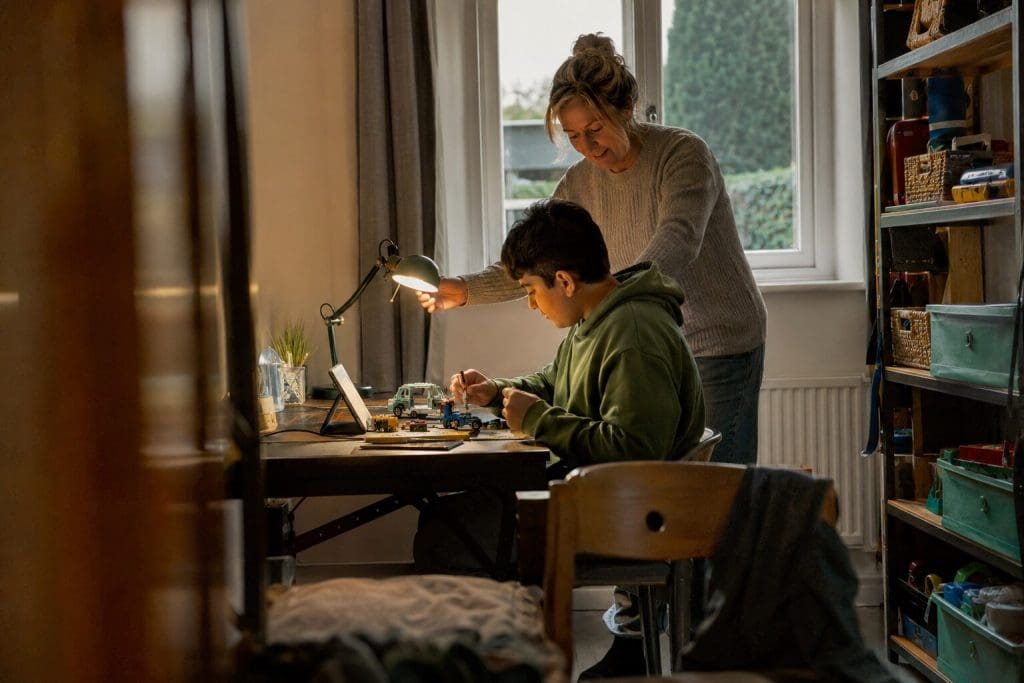
A practical guide for foster carers on supporting an autistic child, from sensory needs and meltdowns to diagnosis waits, school support and the benefits a family may be entitled to.
What Does It Mean to Foster a Child With a Learning Disability?
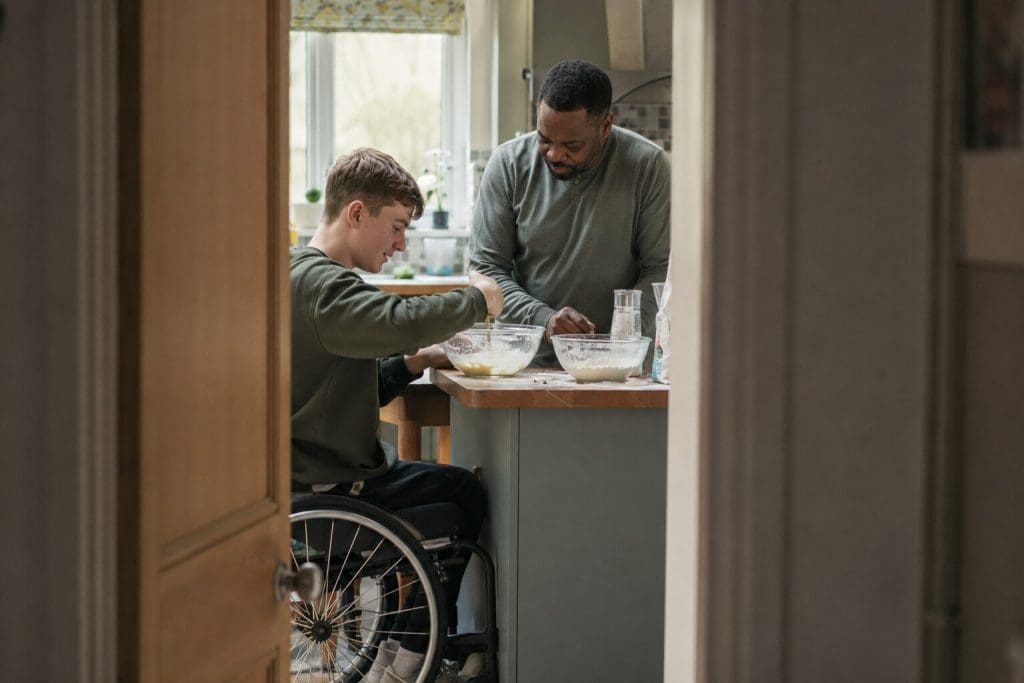
A learning disability changes how a child learns and gets through the day, but it does not make fostering a specialist job. Here is what to expect, and the support that is already there to help.
What Do You Do If a Foster Child Tells You About Abuse?

A child in your care might tell you something difficult, and there is no perfect script for that moment. Here is what to say, what to do next, and why you will not be handling it alone.
What Is County Lines, and Could It Affect a Child You’re Fostering?

County lines exploitation targets some of the most vulnerable children, including many in foster care. Here’s what it looks like, the signs to watch for, and what to do if you’re worried.
What Is FASD, and How Does It Affect a Child in Foster Care?

FASD affects far more children in foster care than most people realise, and it is often missed. Here is what it looks like day to day, and how foster carers get support without needing a diagnosis first.
Can Foster Carers Give a Child Medicine?

Foster carers give children medicine every day, from a dose of Calpol to a repeat prescription. Here’s what the rules on permission, storage and consent actually require, and the support that’s already there to help.
What Is PACE Parenting, and Why Do Foster Carers Use It?

PACE stands for Playfulness, Acceptance, Curiosity and Empathy, a parenting approach many foster carers use to help a child who has experienced trauma feel safe. Here’s what it looks like day to day, and the training and support Fostering Hearts carers get to use it well.